Hurt on a Chicago
Construction Site?
Injury Law Made Personal®
Workers’ compensation is not the end of the story. It is the only claim you have against your own employer — but it is not the only claim you have. If another contractor on that site created the hazard that hurt you, you can bring a separate negligence case against them on top of your comp benefits. Ankin Law has fought for injured Illinois workers for over 35 years.
Call 312.600.0000 Free Case ReviewHow a Site Injury Becomes Two Claims
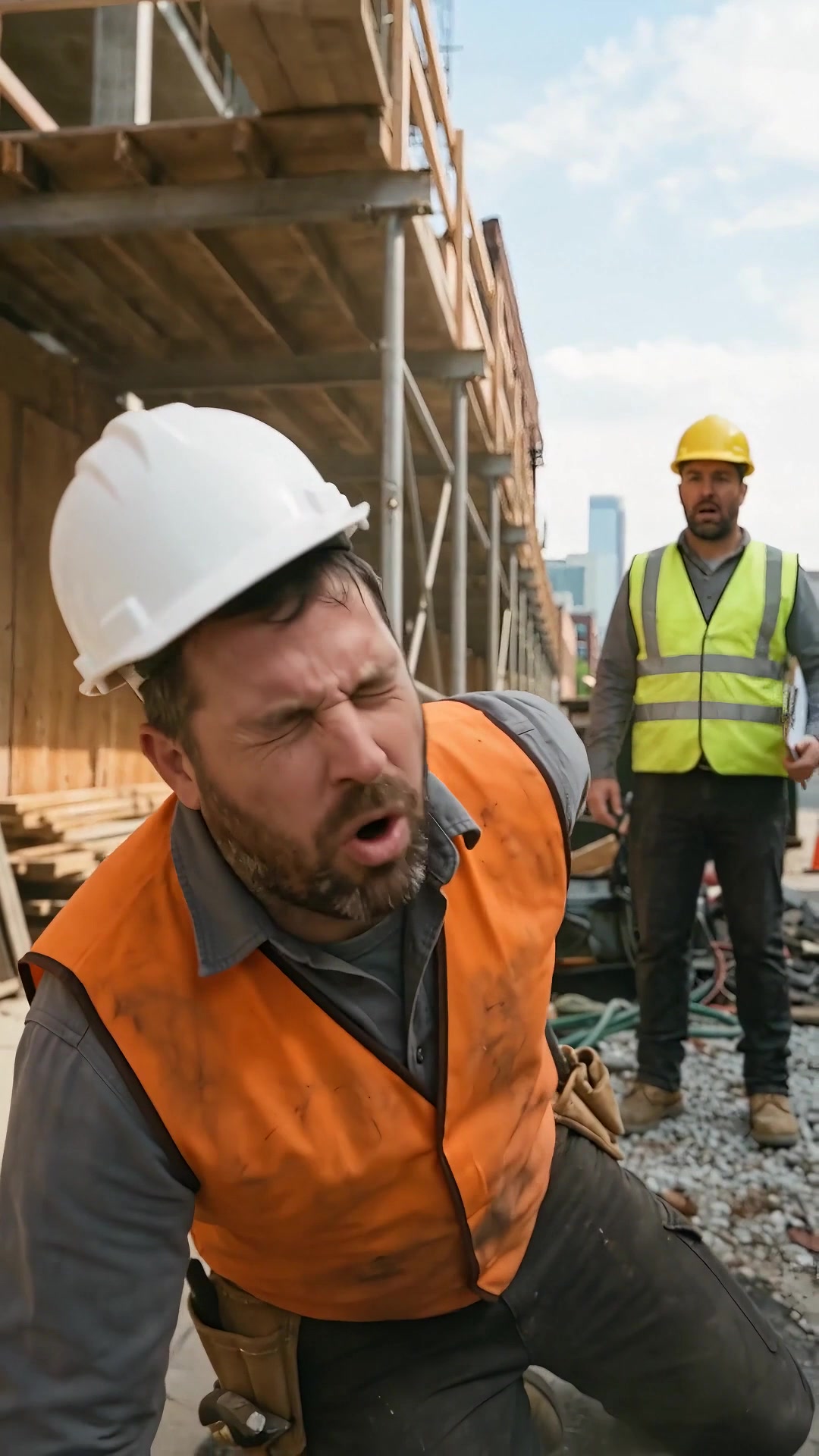
The Situation
A plank that was never tied off. A guardrail somebody removed to move material and never put back. A hole with no cover. On a busy site there are four or five companies working within fifty feet of each other, and the crew that built the thing that hurt you very often does not sign your paycheck.
The Accident
You report it, you go to the clinic the company sends you to, and somebody tells you comp will handle it. Nobody photographs the scaffold. By Monday it has been rebuilt correctly and the daily logs, the toolbox-talk sheets and the subcontractor agreements that say whose scaffold it was are sitting in an office you have no access to.
The Solution
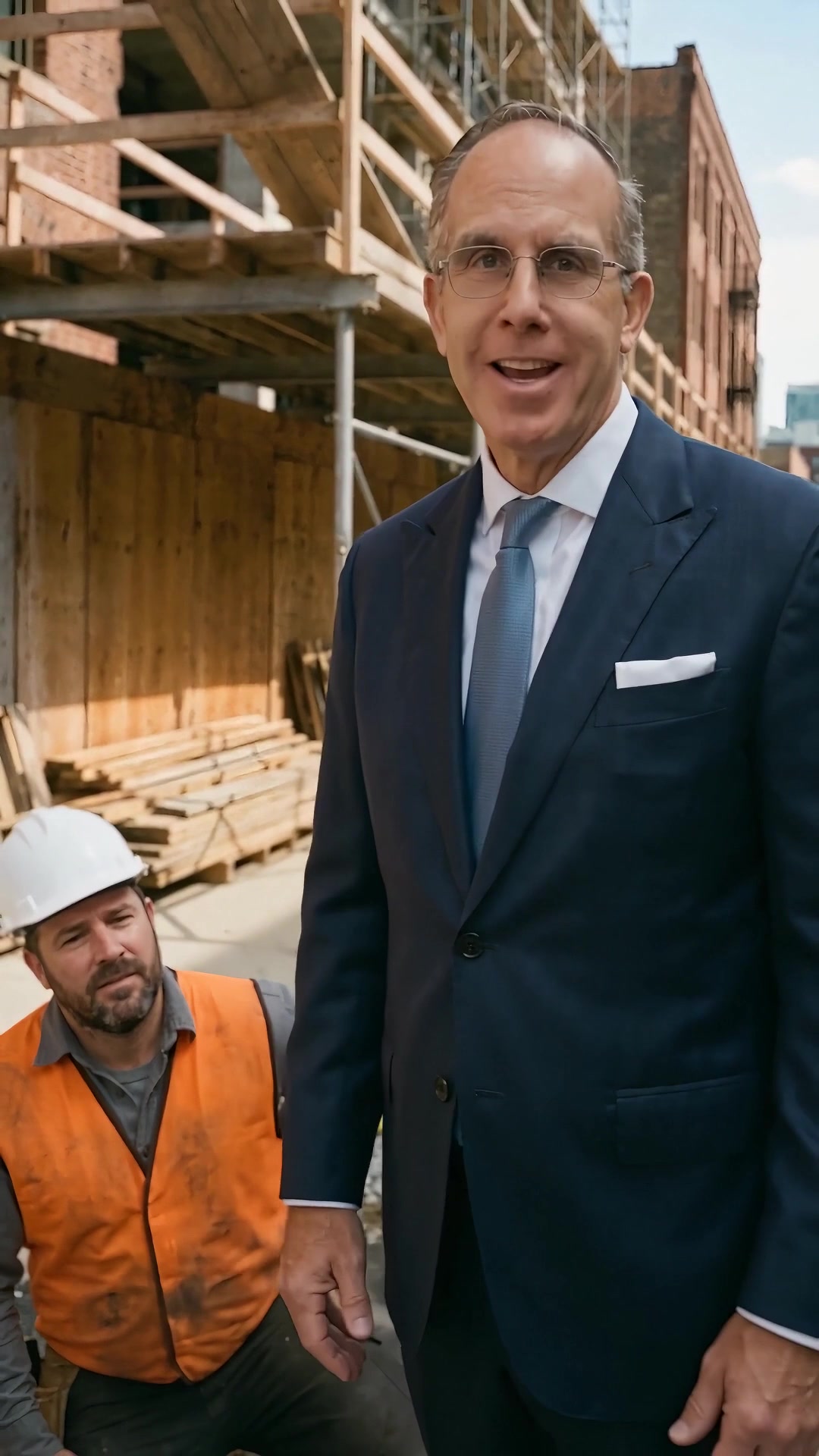
Who erected it, who inspected it, who had the contractual right to stop the work — Ankin Law goes after all of it, and does it early, while the site still looks the way it looked. Comp pays your medical bills and part of your wages. The third-party case is where pain, suffering and full lost earnings actually live.
Is a Free Consultation Really Free?
Howard Ankin answers your questions directly.
What Illinois Law Says About Construction Injuries
Workers’ compensation is the exclusive remedy against your employer. It does not bar a separate negligence claim against a different company on the same site
Comp benefits do not depend on proving anyone did anything wrong. You can be entitled to them even if the accident was nobody’s fault
is the Illinois deadline for a third-party injury lawsuit. The comp claim runs on a different clock, and missing one does not extend the other
Who Else Can Be Responsible — and What You Can Recover
Another Subcontractor
The crew that built the scaffold, cut the opening, ran the temporary power or left the material stacked where it fell. They owe you the ordinary duty of care they owe anyone lawfully on that site, and their insurance is not your employer’s insurance.
The General Contractor
A general who retained control over the means and methods of the work — who scheduled it, supervised it, and had the contractual authority to stop it for safety — can be liable for failing to use that authority. What the contracts and the daily logs say decides it.
What You Can Recover
Comp covers medical treatment and a portion of lost wages. A third-party case reaches what comp never touches: pain and suffering, disfigurement, loss of a normal life, and the full difference between what you earned before and what you can earn now.
Why Ankin Law Is the Right Call After a Site Injury
The Site Is the Evidence
It is rebuilt within days, and once it is, the photograph nobody took is gone forever. Photograph the hazard before you leave if you possibly can, get the names on the vests, and call before the site changes. Preservation letters have to go out early.
Do Not Let Comp Be the Whole Answer
Your employer’s carrier has no reason to tell you a third party exists, and it has a lien on anything you recover from one. Handled properly that lien is negotiated down. Handled badly it eats the settlement it was never meant to.
No Fee Unless You Win
You pay nothing to start and nothing unless Ankin Law recovers for you. Undocumented workers are covered by Illinois workers’ compensation, and we do not ask about status. Howard Ankin has been doing this for over 40 years.
Get Your Free Case Review
If you were hurt on a job site, the scaffold is already down and the paperwork that proves whose it was is in somebody else’s filing cabinet. Contact us today for a free, confidential consultation with no obligation.
📞